Guides
How to work out where a photo was taken
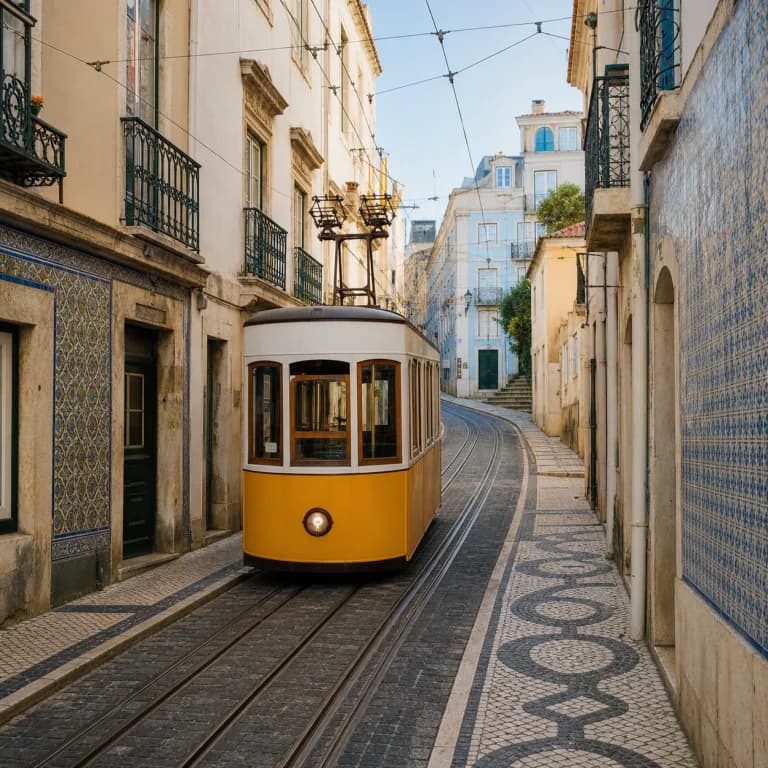
Why photo metadata is usually gone, how to read location from the image itself, and the cases where no honest answer is possible.
How to verify dates, locations, and timelines
Separate event, capture, upload, publish, update, and archive times; normalize timezones; and test whether a multi-source timeline is possible.
People often ask
Can this tell me exactly where a photo was taken?
It estimates a region and shows it with a search radius and a confidence score - an educated guess from visual clues like signage, vegetation, and architecture, not a pinpoint. Treat it as a lead to verify, not a certainty. It works best on outdoor scenes with recognizable landmarks or signage.
Does this identify the person in the photo?
No. DeepSearch analyzes the SCENE - location, street clues, vehicles, authenticity - and never runs facial recognition or identifies the person. That line does not move.
How accurate is the location estimate?
It varies with the photo. Distinctive outdoor scenes with clear signage or landmarks estimate well; plain interiors, close-ups, and nature shots have far less to go on. Every estimate ships with a confidence and a radius so you can see how much to trust it.
Is photo intelligence free?
Public guides and illustrative examples are free to read. Running a search requires paid access. Plans include a usage allowance, and coverage depends on the available sources.
Is this legal?
Yes. DeepSearch only analyzes the photo you provide and public, openly available information. It is not a background-check or FCRA consumer report, so results can't be used for employment, credit, housing, insurance, or tenant decisions.
What happens to my photo's location data?
If your photo carries GPS metadata, it's read on our servers to check authenticity and then stripped before the image is stored or analyzed - it's never shared, and it's never shown back to you as a 'result'.
How reliable is the AI-generated check?
It's a Beta signal. When a photo carries provenance metadata (like a camera or an AI generator tag) the check is strong; otherwise it's a weak heuristic, and we label it as such. It does not detect face-swaps - that needs forensic analysis a vision model can't do.